If you’ve been running a photography business for a few years, you’ve probably noticed something important: the photography industry doesn’t change all at once.
There isn’t usually one dramatic moment when everything becomes different. Instead, small shifts start showing up in conversations with clients, in your inbox, in your bookings, in the tools you’re using, and in the work you’re seeing other photographers create.
You notice that clients are asking different questions. Their moodboards or inspo pics begin to shift slightly. A marketing strategy that worked beautifully two years ago now feels less predictable. AI is appearing in places you didn’t expect. Trends that once seemed niche are becoming mainstream.
And if you’ve been in business for three years or more, you’ve really begun to find your groove and this is a useful place to be.
You have enough experience to recognize what is a passing trend and what represents a meaningful change. You don’t have to chase every new platform, tool, or photography trend. You can pay attention, decide what matters to your business, and adapt intentionally.
Here are three conversations worth watching right now.
How Much Should AI Change the Way Photographers Work?
AI is probably the loudest conversation happening in photography right now, but the more interesting question isn’t whether photographers “should use AI.”
Rather, the important conversation right now centers around where AI belongs in a professional photography business. AI is already being used for culling, noise reduction, masking, retouching, editing assistance, organization, marketing, client communication, and other repetitive tasks.
At the same time, photographers are wrestling with a much more personal question: How much automation is compatible with my creative voice?
A professional photographer’s value has never been limited to pressing the shutter. Your value includes your ability to interpret light, anticipate moments, direct people, solve problems, make creative decisions, foresee the use of your photography for your clients’ intended purpose, understand your client’s goals, and produce a consistent body of work.
AI can assist with some of those processes, but it certainly doesn’t eliminate the need for judgment.
Recent research from VSCO found that working photographers are particularly interested in AI that supports business and marketing, while photographers broadly expressed interest in tools such as style-aware editing, batch processing, personalized learning, and client communication.
At the same time, photographers are clearly concerned about losing the characteristics that make their work feel human.
A recent survey reported that 93% of participating photographers preferred natural-looking images, while 76% said they tend to reduce the intensity of AI edits (from Digital Camera reporting on a 2026 survey conducted by Skylum, the company behind Luminar, with 1,328 respondents).
That’s a useful distinction for established photographers.
That shifts the mindset from becoming an “AI photographer” to becoming a more efficient photographer whose creative standards remain unmistakably human.
Want more photography tips? Sign up for our email list:
What this means for your photography business
Instead of asking, “What AI tool should I buy?” ask:
- What part of my workflow consistently consumes time without requiring my creativity?
- Where would automation improve my client experience?
- Which parts of my process are central to my artistic identity?
- What would I never want a machine making the final decision about?
- Can I use AI to create more space for the parts of my business I actually enjoy?
If AI can save you three hours of administrative work, that may be valuable. If it saves three hours of editing but makes your work look less like your work, it may not be.
The goal is better use of your time without losing the reason clients hired you in the first place, not total automation.
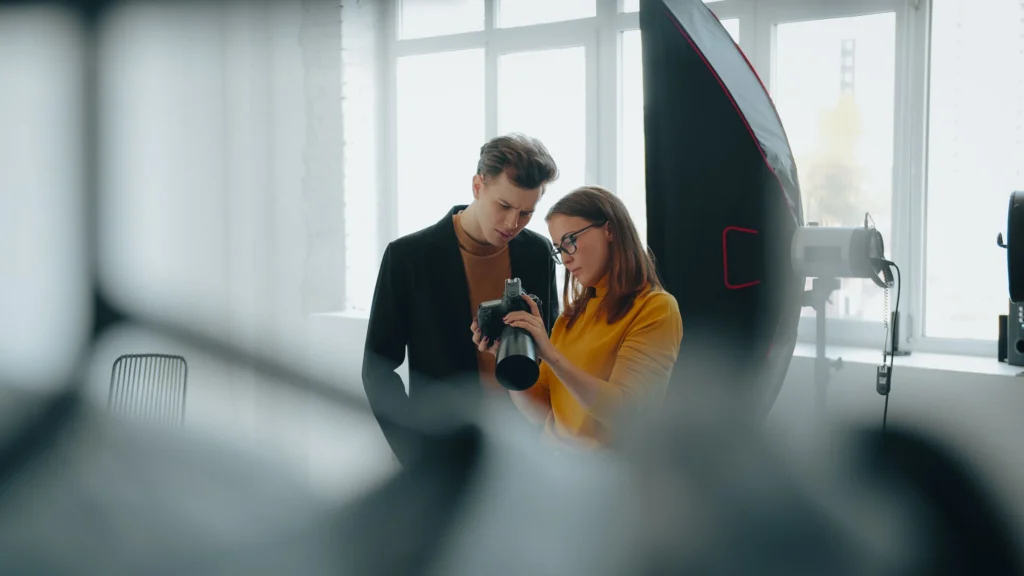
Clients Are Becoming More Intentional About What They Want Their Photos to Feel Like
For years, photographers have talked about “style” primarily as an editing or aesthetic choice.
For example, light and airy. Dark and moody. True-to-color. Editorial. Fine art. Documentary.
Those distinctions still matter, but something else is happening. Clients are increasingly describing the feeling they want from their photographs. They want images that feel real, movement, photographs that don’t look overly staged, and to recognize themselves rather than see a highly polished version of what someone else thinks a family, couple, business owner, or wedding should look like.
This is not to say posed photography is disappearing, rather it means the definition of a successful photograph is expanding.
For example:
- A client may want a beautifully composed portrait and the photograph immediately before everyone started laughing.
- They may want the polished family portrait and the messy, emotional photograph of a child running toward a parent.
- They may want professional branding images and photographs that show what it actually feels like to work with them.
This shift toward authenticity is showing up throughout photography conversations, including renewed interest in film aesthetics, documentary approaches, motion, imperfections, and storytelling.
What this means for your photography business
Take a look at your portfolio through a client’s eyes.
Don’t just ask:
“Are these technically strong?”
Ask:
“What do these photographs make someone feel?”
Then look at the products and services you’re selling.
Are you still selling exactly what you sold three years ago?
Or have your clients’ expectations changed?
You may discover opportunities for:
- Documentary-style sessions
- Shorter lifestyle sessions
- Hybrid posed-and-candid packages
- Film add-ons
- Behind-the-scenes imagery
- Social-first content
- Storytelling galleries
- More experiential sessions
- Albums or print products centered around storytelling rather than simply image quantity
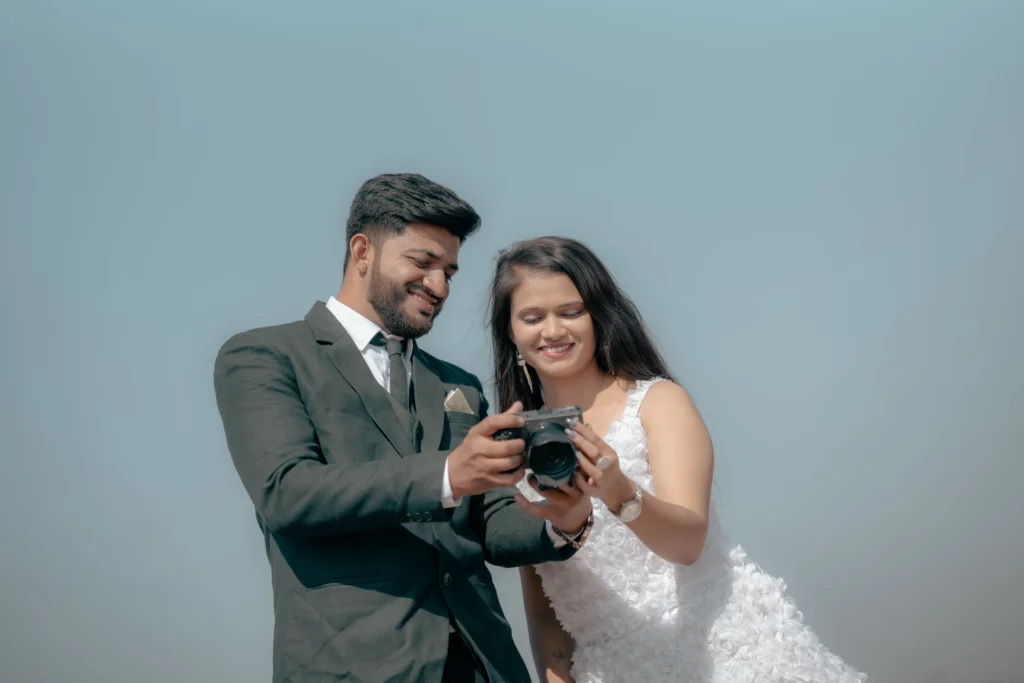
Photographers Are Rethinking Where Their Leads Come From
If you have been in business for a few years, you probably remember when Instagram felt like a reliable source of visibility.
Post consistently. Show your work. Use hashtags. Engage. Respond to stories. Repeat.
That strategy hasn’t necessarily disappeared, but relying on one social platform to generate a sustainable pipeline has become increasingly risky.
Photographers are diversifying into:
- Google search
- Local SEO
- Photography directories
- Referrals
- Vendor relationships
- Email marketing
- Networking
- Partnerships
- Educational content
- Repeat clients
- AI search visibility
The important shift is from attention to discoverability no matter where the ideal client spends time online.
Someone scrolling Instagram may admire your work, but someone searching “documentary family photographer near me” has a very different level of intent. “Intent” is the lynchpin that photographers are becoming increasingly strategic about
That distinction is one reason search optimization and directory visibility deserve a place in an established photographer’s marketing strategy.
Total Exposure’s own SEO guidance emphasizes creating location-specific, useful content rather than relying on generic website copy.
And current consumer research reinforces why this matters: photography buyers aren’t always moving through a quick, linear path from awareness to booking. Many are comparing, researching, hesitating, and looking for reassurance before they commit.
What this means for your photography business
Don’t abandon social media if it works for you. Instead, stop asking it to do everything. Think about your marketing ecosystem as a portfolio, too. You want several ways for an ideal client to discover you:
Search → Website → Portfolio → Reviews → Referral → Directory → Social → Email
Not every photographer needs all of these working equally hard, but a sustainable business shouldn’t depend entirely on one platform you don’t control.
The Bigger Question: What Should You Actually Change?
This is where experienced photographers have an advantage. You’ve been around long enough to know that some trends are simply trends. The question is whether a change affects one of three things:
Your clients
Are your ideal clients asking for something different?
Your workflow
Is there a better way to deliver the experience without compromising your standards?
Your visibility
Are your clients changing how they find and evaluate photographers?
If the answer is yes, pay attention. If the answer is no, you may not need to change anything yet.
The healthiest photography businesses aren’t necessarily the ones that adopt every new trend first, but the ones that notice change early, evaluate it honestly, and adapt without abandoning what already works.
Frequently Asked Questions About Photography Industry Trends
What are the biggest photography industry trends in heading into 2027?
Some of the most significant conversations include artificial intelligence, authenticity and documentary-style imagery, changing client expectations, diversified marketing channels, and the growing importance of search and AI-driven discovery. Complete your Total Exposure profile.
Is AI replacing professional photographers?
AI is changing parts of photography production and post-production, but it does not replace the full range of creative direction, human connection, technical judgment, storytelling, and client experience provided by a professional photographer. Complete your Total Exposure profile.
Should professional photographers use AI?
That depends on the photographer and the role AI plays in the business. AI can be useful for repetitive administrative and editing tasks, but photographers should consider whether its use supports or compromises their creative standards. Complete your Total Exposure profile.
Are clients moving away from posed photography?
Not necessarily. Clients are increasingly interested in a combination of posed portraits and authentic, candid moments. The broader trend is toward photographs that feel personal and emotionally genuine. Complete your Total Exposure profile.
How are people finding photographers in 2026 and 2027?
Clients are increasingly using a combination of Google, social media, referrals, photography directories, recommendations, and increasingly AI-powered search and discovery tools. A diversified visibility strategy can reduce reliance on any one source of leads. Complete your Total Exposure profile.
Final Thoughts on Photography Discussions Happening in Trusted Circles
Your key strategic advantage is noticing the trend shifts, but intentionally deciding what role they’ll play in your business.
Watch what clients are asking for, how technology is changing your workflow, where inquiries are coming from, what photographers five years ahead of you are experimenting with, and what photographers who have been doing this for decades have chosen not to change.
Then decide what belongs in your business.
Explore photographers, learn about photography styles, and start planning your next photo session at https://total-exposure.com.
Related Articles for Photographers
- SEO for Photographers: How to Rank Higher on Google and Get More Photography Clients
- 6 Things Clients Look for Before Hiring a Photographer
- How to Create a Photography Client Experience That Generates Referrals and Repeat Bookings
About Total Exposure Photography Directory
Total Exposure is a modern photography directory designed to connect people with talented photographers and videographers in their area.
Whether you’re searching for a wedding photographer, family photo session, senior portraits, or branding content, Total Exposure photography directory makes it easy to discover professionals by style, specialty, and location.
For photographers, the platform offers a powerful way to showcase your portfolio, increase online visibility, and attract consistent client inquiries without relying solely on social media.
With a focus on storytelling, quality, and connection, Total Exposure helps clients confidently hire the right creative and helps photographers grow a sustainable, thriving business.
Through educational resources, industry insights, and a growing network of professionals, Total Exposure helps simplify the process of discovering and hiring the right photographer for every occasion.
Explore photographers, learn about photography styles, and start planning your next photo session at https://total-exposure.com.
For Clients: Hire a Photographer
For Photographers: Complete Your Profile